The Best Books to Encourage Speech and Language Development (Birth to 5 Years)
One of the most powerful ways to support your child's speech and language development doesn't require expensive toys or hours of structured activities—it starts with a book.
Reading together every day helps children develop vocabulary, listening skills, attention, imagination, and early literacy. Even just 10–15 minutes of shared reading each day can have a lasting impact on your child's communication skills.
As a speech-language pathologist, parents often ask me, "What books should I be reading with my child?" While almost any book can be a great learning opportunity, some books naturally encourage talking, turn-taking, sound imitation, answering questions, and storytelling.
Below are some of my favorite recommendations for each stage of early language development.
What Are the Best Books for Speech and Language Development?
The best books for supporting speech and language development are engaging, age-appropriate books that encourage children to interact, imitate sounds and words, learn new vocabulary, answer questions, and participate in storytelling. Books with repetition, predictable phrases, colorful pictures, and opportunities for interaction can be especially helpful for babies, toddlers, and preschoolers.
Why Reading Is So Important for Language Development
Reading together helps children:
Build vocabulary
Learn new concepts
Develop listening and attention skills
Understand sentence structure
Strengthen memory
Encourage conversation
Support early reading skills
Build imagination and pretend play
Create meaningful parent-child connections
Remember: The goal isn't to finish the book—it's to enjoy it together. Talking about the pictures, asking questions, and following your child's interests are often more valuable than reading every word.
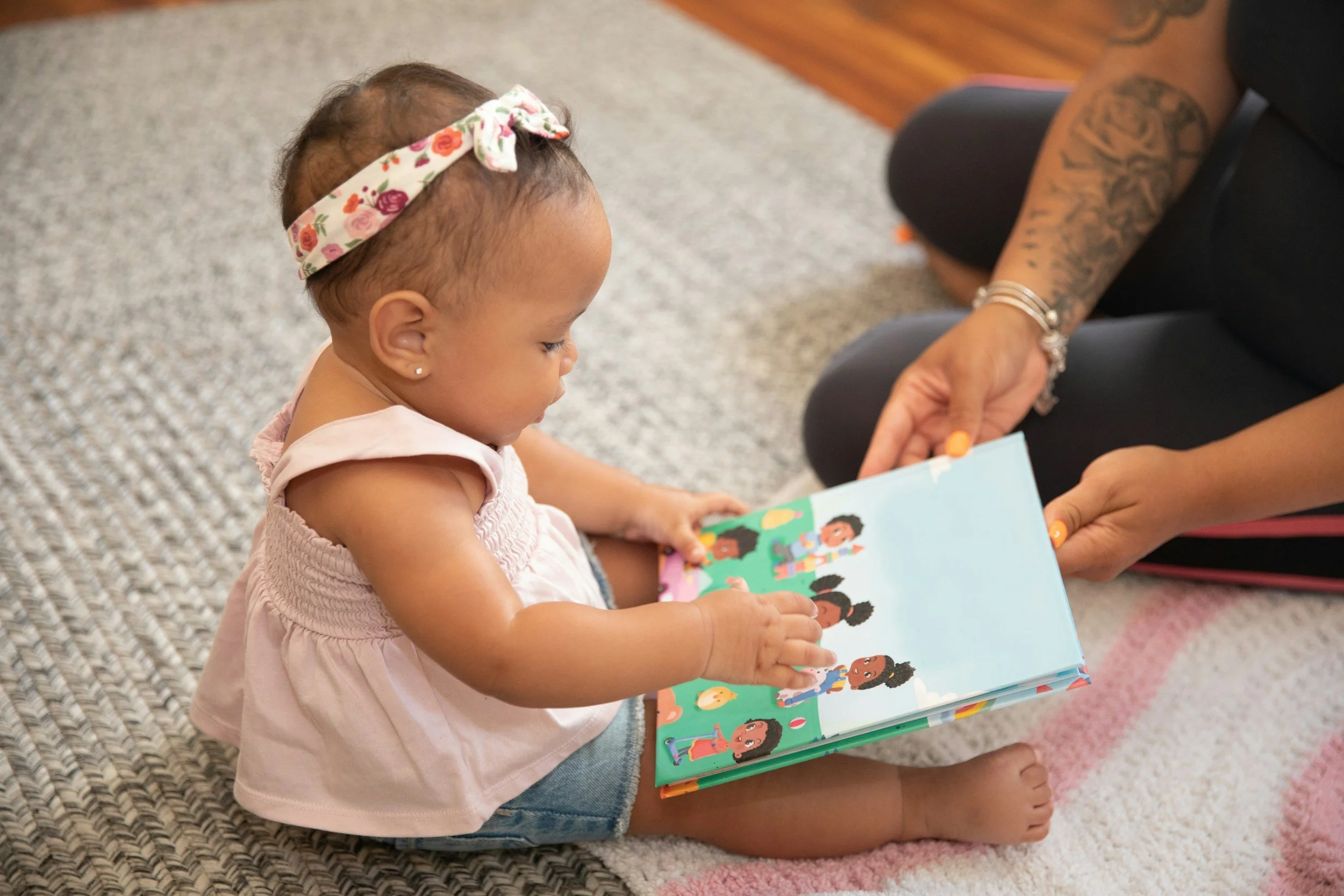
Birth to 12 Months
During the first year of life, babies are learning to recognize voices, sounds, facial expressions, and everyday words. Simple board books with bright pictures and repetitive language are perfect at this age.
Recommended Books
Brown Bear, Brown Bear, What Do You See? by Bill Martin Jr. & Eric Carle
Moo, Baa, La La La! by Sandra Boynton
Baby Faces (DK)
Hello, Baby! by Roger Priddy
That's Not My... series by Fiona Watt
Skills These Books Support
Looking at faces
Joint attention
Early vocabulary
Sound imitation
Animal sounds
Turn-taking
Point to the pictures as you talk. Use simple phrases like, "Look! A dog!" or "Moo! The cow says moo!" Pause and smile to give your baby a chance to respond with sounds, smiles, or eye contact.
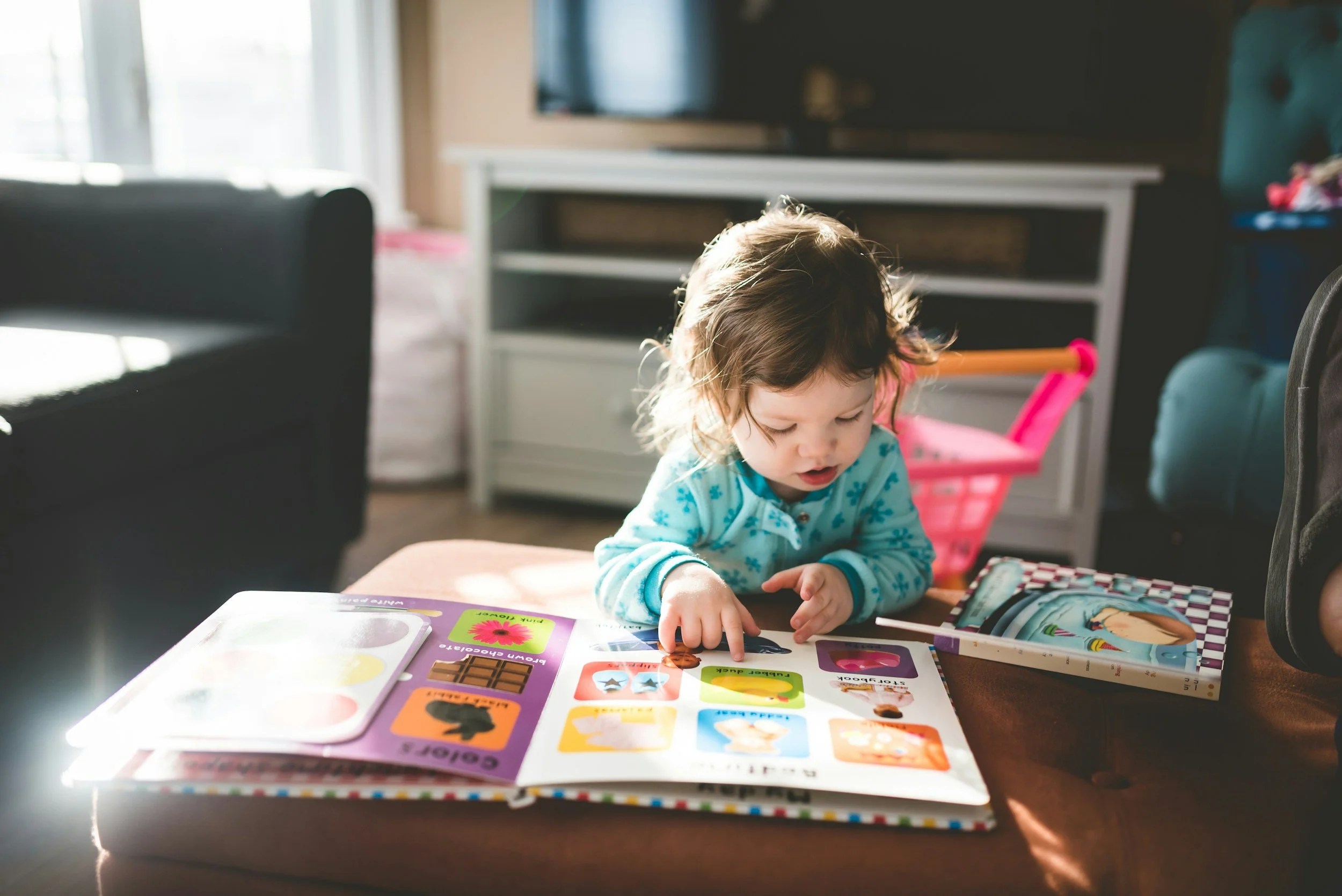
Ages 1–2 Years
Toddlers are rapidly learning new words. Interactive books with flaps, repetition, and predictable phrases encourage children to participate.
Recommended Books
Dear Zoo by Rod Campbell
Where's Spot? by Eric Hill
Little Blue Truck by Alice Schertle
Peek-a-Who? by Nina Laden
Goodnight Moon by Margaret Wise Brown
Chicka Chicka Boom Boom – Bill Martin Jr. & John Archambault
From Head to Toe – Eric Carle
The Going to Bed Book – Sandra Boynton
Skills These Books Support
Pointing to pictures
Naming objects
Animal sounds
Following simple directions
Early two-word combinations
Body parts
Early phrases
Instead of asking, "What's this?" try commenting first:
"I see a truck!"
Then pause and wait. Giving your child extra time encourages them to join the conversation without feeling pressured.

Ages 2–3 Years
Children at this age begin combining words into longer sentences and answering simple questions. Books with repetitive storylines and engaging illustrations encourage conversation.
Recommended Books
The Very Hungry Caterpillar by Eric Carle
We're Going on a Bear Hunt by Michael Rosen
Goodnight Gorilla by Peggy Rathmann
Llama Llama Red Pajama by Anna Dewdney
Pete the Cat: I Love My White Shoes by Eric Litwin
The Very Hungry Caterpillar – Eric Carle
If You Give a Mouse a Cookie – Laura Numeroff
The Snowy Day – Ezra Jack Keats
Duck on a Bike – David Shannon
Skills These Books Support
Answering WH questions
Sequencing events
Describing pictures
Learning action words
Expanding sentences
Pause before turning the page and ask:
"What do you think will happen next?"
"Where did he go?"
"What is he eating?"
There are no wrong answers—you're simply encouraging your child to think and communicate.

Ages 3–5 Years
Preschoolers are becoming storytellers. Books with humor, interesting characters, and simple problems encourage longer conversations and richer language.
Recommended Books
Dragons Love Tacos by Adam Rubin
The Gruffalo by Julia Donaldson
Don't Let the Pigeon Drive the Bus! by Mo Willems
The Day the Crayons Quit by Drew Daywalt
Chicka Chicka Boom Boom by Bill Martin Jr. & John Archambault
The Kissing Hand – Audrey Penn
Bear Snores On – Karma Wilson
The Rainbow Fish – Marcus Pfister
Giraffes Can't Dance – Giles Andreae
Skills These Books Support
Storytelling
Predicting
Problem solving
Describing characters
Understanding emotions
Building vocabulary
After you finish the story, ask your child to tell it back in their own words. They don't have to remember every detail—simply retelling the beginning, middle, and end is wonderful practice for language development.
Simple Ways to Make Story Time More Interactive
You don't need to be a teacher to make reading beneficial. Try these easy strategies:
Let your child choose the book.
Read the same favorite books again and again.
Point to pictures while you talk.
Pause and wait for your child to respond.
Ask simple questions.
Expand on what your child says.
Make silly voices and sound effects.
Follow your child's interests.
Keep reading fun and pressure-free.
Frequently Asked Questions…
How long should I read with my child?
Even a few minutes of shared reading each day can create valuable opportunities for connection, conversation, and language learning.
What if my child won't sit still?
That's completely normal! Many toddlers prefer to stand, wiggle, or turn pages while listening. Follow your child's lead and keep reading enjoyable.
Do I have to read every word?
Not at all. Talking about the pictures, labeling objects, asking questions, and letting your child explore the book are all wonderful ways to support language development.
Final Thoughts
Books create opportunities for connection, conversation, and learning. Whether you're reading before bedtime, cuddling on the couch, or sharing a story after lunch, every page you turn together helps build your child's communication skills.
Most importantly, remember that you are your child's first and most important language teacher. The conversations you have while reading are just as valuable as the story itself.
If you're concerned that your child's speech or language skills aren't developing as expected, early support can make a meaningful difference. A speech and language evaluation can help identify your child's strengths, address any concerns, and provide personalized strategies to support communication at home.
Looking for Pediatric Speech Therapy in Seekonk, MA?
At Little Garden Speech & Language Therapy Services, we're passionate about helping children grow into confident communicators through play-based, evidence-based speech therapy and family-centered care.
If you have questions about your child's speech or language development or would like to schedule an evaluation, we'd love to help.